01 BARRIER LAYER SOURCING
Aluminium foil for converted flexible packaging
Start with the barrier job and the way the foil will be converted. Alloy, temper, gauge, surface condition and roll format only become useful when they are tied to the laminate, line and packed product.
02 LAYER ROLE
A barrier layer that must match the converting process
Aluminium foil is commonly evaluated as the barrier core in laminates for light-, gas-, moisture- or aroma-sensitive products. It is not a sealant by itself: the complete structure, surface preparation and downstream lamination route determine how the roll will be used.
- Structures where light exclusion and barrier are central selection criteria
- Laminating, coating, printing, embossing or slitting projects
- Buyers comparing converter-foil options against an existing structure
- Thin-gauge pinhole criteria and flex durability
- Surface wetting, cleanliness and compatibility with the next process
- Roll geometry, winding and edge condition at the converter
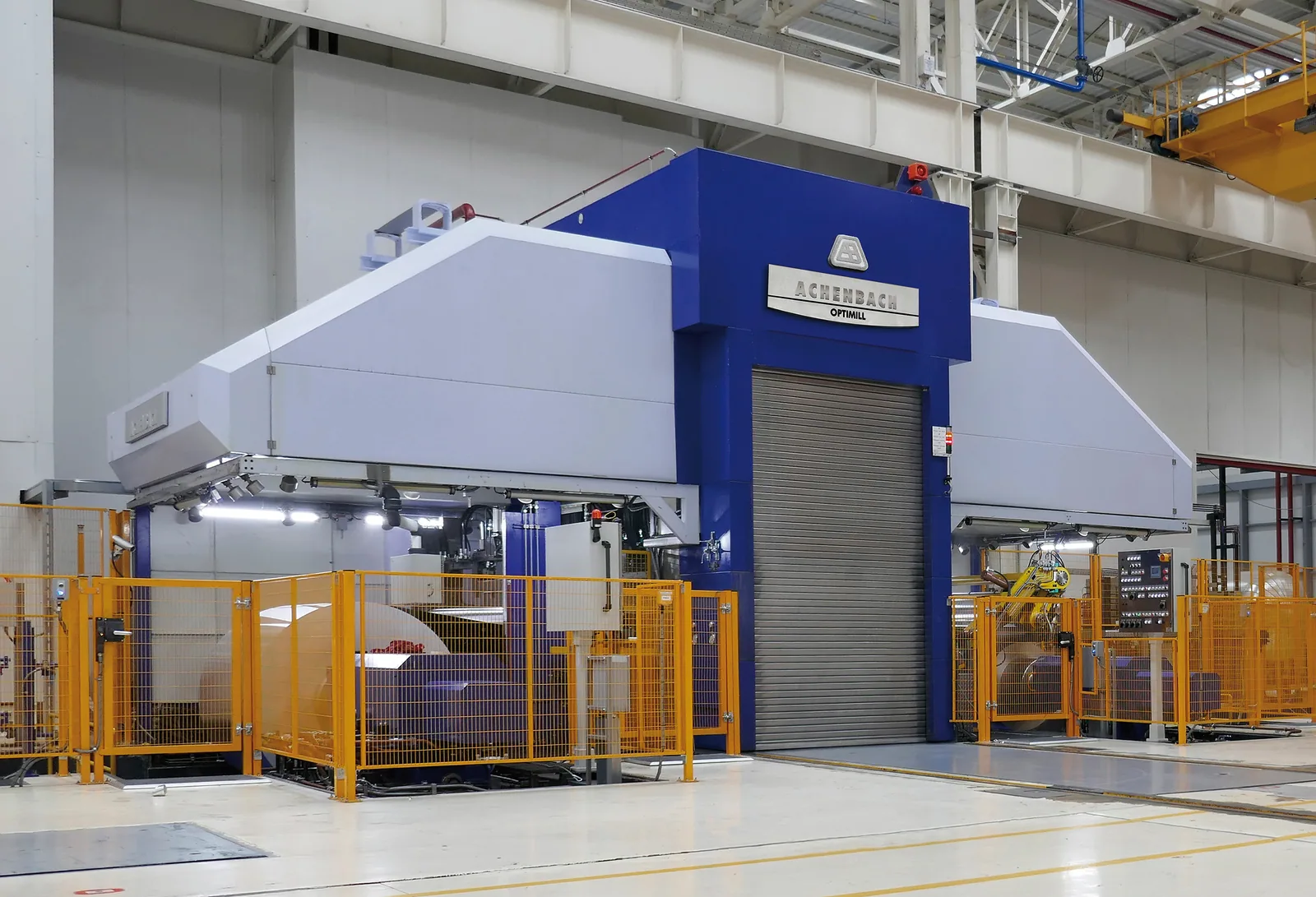
Why foil-rolling context belongs in the buyer brief
This licensed photograph shows an Achenbach OPTIMILL foil rolling mill. It illustrates the scale and machinery of foil rolling only; it is not a LayerSource facility, inventory, supplier, partnership, endorsement or manufacturing claim.
Source: “Achenbach OPTIMILL Foil Rolling Mill” by Achenbach Buschhütten, CC BY-SA 4.0. Resized and converted to WebP; no visual retouching.03 SELECTION MAP
Three decisions before supplier matching.
Define what the laminate must protect
Share the packed product, sensitivity, target shelf life, fill process and destination market before choosing a foil construction.
Map the next operation
Lamination, extrusion coating, lacquering, printing, embossing and slitting place different demands on surface and roll quality.
Name the tests and tolerances
A useful comparison identifies the required test method, conditioning and acceptance criteria instead of relying on a generic foil description.
04 RFQ INPUTS
Aluminium-foil RFQ checklist
Use the checklist to turn a broad foil enquiry into comparable supplier responses.
Open the RFQ brief builder ↗- 01
Packed product, pack format and intended laminate structure
- 02
Conversion route: laminating, coating, printing, embossing or other
- 03
Alloy and temper, if already specified by the converter
- 04
Target gauge, tolerance, web width and edge requirement
- 05
Surface condition, wetting or treatment requirement
- 06
Pinhole, cleanliness and appearance acceptance criteria
- 07
Core ID, roll OD or roll weight, winding direction and splice policy
- 08
Destination market, document needs, trial quantity and recurring volume
05 BUYER QUESTIONS
Questions to resolve before the roll is quoted.
01When should a buyer compare aluminium foil with metallized film?+
Compare them when the structure needs a barrier layer but weight, flexing, opacity, sealing and conversion priorities are still open. Use measured OTR, WVTR, light barrier and flex-durability requirements under stated test conditions rather than treating the materials as automatic equivalents.
02What information matters first for converter foil?+
Start with the laminate structure, packed product, converting route, foil gauge, temper, width, surface requirement and roll format. Those inputs make supplier options more comparable than an alloy number alone.
03Does bare aluminium foil provide the heat-seal layer?+
A bare foil web is generally paired with a separate sealant layer or a purpose-selected coating in the finished structure. The sealing system and its compatibility with the fill process should be specified separately.
04Why include pinhole and roll-quality criteria in the RFQ?+
Thin foil can be sensitive to pinholes, wrinkles, edge damage and winding defects. Naming the inspection method and acceptance criteria helps align the supplier, converter and final application before a trial.